
Looking to head out to sea for some early summer water fun? Kayaking in Sai Kung is definitely the best choice for beginners! This comprehensive guide has organised the top 3 beginner-friendly kayaking routes in Sai Kung (Hoi Ha Wan, Sha Ha, and Hoi Sai Wan to Green Egg Island), along with a detailed equipment checklist and rental price comparison, so you can set off effortlessly with both hands free and safely enjoy crystal-clear waters and unbeatable sea views.
Sai Kung Kayak Rental Locations and Price Comparison
For beginners, choosing a starting point with comprehensive facilities is very important. Below is a comparison of three popular kayak rental locations in Sai Kung:
| Rental Location | Route Features | Single Kayak (Weekday/Weekend) | Double Kayak (Weekday/Weekend) | Facilities | Booking Link |
|---|---|---|---|---|---|
| Hoi Ha Wan | Coastal park with rich ecology and clear water | HK$80 / HK$100 | HK$160 / HK$200 | Freshwater shower, private changing rooms | Book Now |
| Sha Ha Road | Convenient transport, large parking lot | HK$100 / HK$150 | HK$200 / HK$300 | Free shower, private changing rooms | Book Now |
| Hoi Sai Wan | Direct access to Green Egg Island, hidden crystal-clear waters | HK$150 / HK$200 | HK$250 / HK$300 | Coach guidance, free storage bags | Book Now |
Which Sai Kung Kayak Route is Best for Beginners? 3 Stunning Photo-worthy Routes Recommended
1. Sai Kung Hoi Ha Wan: Calm Waters and Rich Ecology
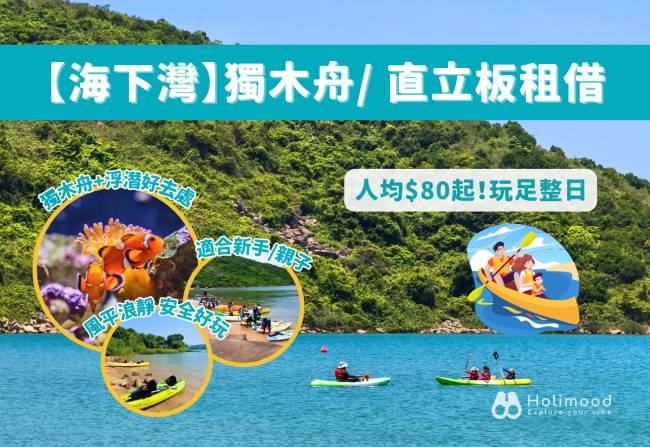
I remember my first time kayaking was at Hoi Ha Wan. As one of Hong Kong’s famous Marine Parks, the waves here are very calm, making it a natural practice ground for beginners. Paddling your kayak, you can feel the warm sunshine on your face and the sea breeze carrying a faint salty scent. Looking down, you can occasionally spot corals and schools of fish beneath the crystal-clear water. The site provides freshwater showers and private changing rooms, so you can comfortably change after your water adventure.
2. Sai Kung Sha Ha Road: Most Convenient Transport, Best Facilities
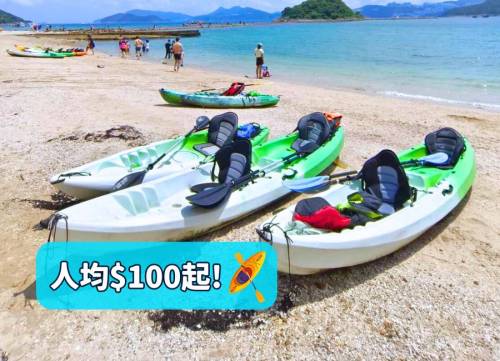
Honestly, if you plan to self-drive or bring the whole family, Sha Ha is definitely the top choice. It offers a large parking lot, and just a few steps from the car park to the beach. Starting from Sha Ha, you can easily paddle to nearby Yeung Chau and Pak Sha Chau islands. These two small islands are close by, with a round trip taking only 2-3 hours, and there are plenty of rest spots along the way, making it very suitable for beginners with average stamina.
3. Sai Kung Hoi Sai Wan to Green Egg Island: Discover Hidden Crystal-clear Waters
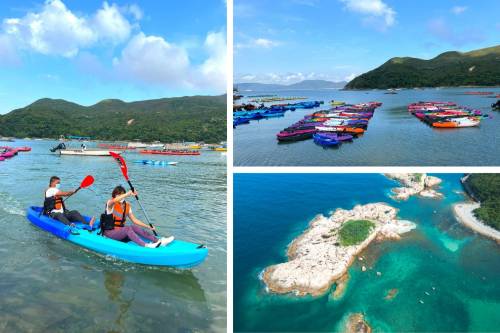
Green Egg Island has become a popular photo spot in recent years. It takes about 45 minutes to 1 hour to kayak there from Hoi Sai Wan. When you reach near Green Egg Island and see the legendary “crystal-clear waters,” you’ll feel it’s all worth it! The water here is so clear you can see the seabed, making it an excellent spot for snorkeling. However, note that this route is busier on weekends and parking spaces are very limited, so public transport is recommended.
What Equipment Do Beginners Need for Kayaking? Essential Clothing and Practical Checklist
When heading out to sea for water activities, equipment is definitely not something to take lightly. Here is a must-have checklist for beginners:
- Sun-protective Clothing: It is strongly recommended to wear long-sleeved rash guards and long pants to avoid sunburn and scratches from coral.
- Water Shoes with Covered Toes: Some Sai Kung beaches have oyster shells or gravel, so wearing covered water shoes protects your feet.
- Dry Bag: A 10L to 20L dry bag is most practical for storing your phone, wallet, and spare clothes.
- Sunglasses and Hat: The sunlight reflecting off the water is strong, so be sure to bring a hat with a strap and sunglasses.
- Plenty of Drinking Water and Snacks: Water activities consume a lot of energy; it is recommended to prepare at least 1.5 litres of water per person.
3 Common Kayaking Myths Beginners Fall For (How Many Have You Fallen For?)
Many first-timers to water activities have various concerns. Let’s debunk the three most common misconceptions:
- Myth 1: You Can’t Kayak if You Can’t Swim?
Actually, as long as you wear a certified life jacket or buoyancy aid throughout, even non-swimmers can safely enjoy kayaking. Of course, being comfortable in water helps you relax more. - Myth 2: Kayaks Tip Over Very Easily?
Many think kayaks wobble as soon as you sit in them. In fact, recreational kayaks rented by beginners have a wider, flatter bottom, offering excellent stability. As long as you keep your body centred and avoid sudden standing or leaning, the chance of capsizing is very low. - Myth 3: You Don’t Need to Bring Anything When Renting a Kayak?
Although rental packages usually include life jackets and paddles, personal sun protection, dry bags, and sufficient drinking water must be brought by yourself. UV rays on the sea are much stronger than on land, so not protecting yourself properly will definitely lead to regret!
Kayaking Safety Tips and Practical Advice
Kayaking is fun, but safety always comes first. Before setting off, be sure to check the Hong Kong Observatory weather forecast and tidal information. Avoid going out during thunderstorm warnings or strong winds. Also, it is strongly recommended to go in pairs or groups to watch out for each other. If you capsize, remember not to panic and hold onto the kayak, as it itself is a large buoyant object.
Further Reading
Frequently Asked Questions (FAQ)
How Much is Kayak Rental in Sai Kung for One Day?
Depending on location and date, single kayaks cost around HK$80-150 on weekdays and HK$100-200 on weekends and public holidays. Double kayaks cost about HK$160-250 on weekdays and HK$200-300 on weekends. Fees usually include life jackets and paddles.
What Should You Wear for Kayaking?
It is strongly recommended to wear long-sleeved rash guards and quick-dry long pants, paired with covered water shoes. Avoid cotton clothes or jeans as they become very heavy when wet, affecting your movement.
Which is Better for Beginners: Kayak or Stand-Up Paddleboard?
Both are suitable for beginners, but kayaks offer relatively higher stability and you paddle sitting down, which requires less balance and physical strength, making it more suitable for those with no water activity experience. Stand-Up Paddleboards (SUP) require better core balance but offer a wider field of view.
This post is also available in:
 简体中文
简体中文

