
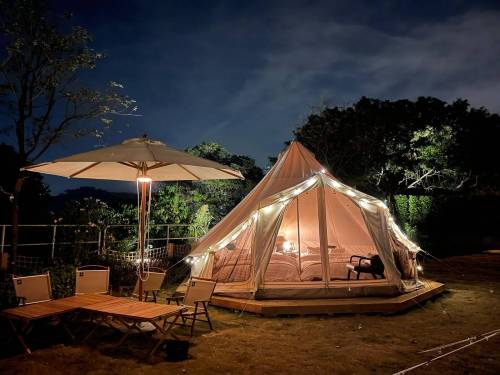
From May onwards, choosing a glamping stay in Hong Kong is about more than the view. Cooling, ventilation, mosquitoes, damp bedding and sudden rain can make a substantial difference to the night. This guide compares the practical needs of air-conditioned accommodation, sea-view tents and caravan stays rather than ranking campsites.
Start with comfort
As early-summer weather becomes warmer and more humid, ask whether everyone in your group can sleep comfortably. The government’s summer health advice covers hydration, sun protection, mosquito prevention and food safety. Those considerations apply just as much to a furnished camping stay as to a basic tent.
Couples may be happy with a simpler sea-view tent, while families or older guests may place more importance on air conditioning, bathrooms, showers, sockets and food storage.
| Concern | What to check | Why it matters |
|---|---|---|
| A hot, stuffy night | Air conditioning, fans, internal space and ventilation. | Poor sleep affects the following day as well as the stay. |
| Mosquitoes and insects | Screens, gaps around doors, outdoor lighting and suitable repellents. | Grass, water and wooded areas can make insect management more important. |
| Coastal humidity | Raised beds, ventilation and any humidity-control arrangements. | A sea breeze does not guarantee dry bedding. |
| Children | The route to the toilet, night lighting and cooling settings. | Night-time needs are easier to manage when planned beforehand. |
When air-conditioned accommodation is worth prioritising
If someone struggles with heat or has particular comfort needs, ask about an air-conditioned caravan or other suitable accommodation. Check the actual listing for a private bathroom, hot and cold showers, Wi-Fi and power sockets; facilities differ by unit.
The original guide highlights Park Nature Hillside, with the listed air conditioning, skylight and pet-friendly arrangements, and Lung•Home in Ting Kok, Tai Po, near Lung Mei Beach. Confirm which unit and facilities your booking includes.
Do not stop at “air conditioning available”. Ask whether it can run overnight, whether electricity has an extra charge, where the sockets are, and what is provided for light and noise control. If you need to bring any electrical accessory, check the campsite’s rules and the available power supply first.
Sea-view tents need a wet-weather plan
The view, sunset and outdoor atmosphere can be appealing, but coastal humidity, wind and insects still need consideration. Options such as the four-person tent experience at Ma Wan’s Island Hill or the three-person cabin experience offer different ways to combine a stay with a short island outing. Confirm the exact unit and location rather than assuming every accommodation option has the same view.
Ask whether the bed is raised, where guests can sit in rain, whether water collects around the entrance, how dinner is arranged and how far the nearest bathroom is. Keep dry clothes and a light extra layer in a waterproof bag.
Mosquito prevention starts before you arrive
Think about where you will sit, not just which spray to pack. Avoid spending extended periods beside standing water or dense vegetation, keep screens closed and avoid leaving the accommodation door open unnecessarily. Plan dinner and photographs around the conditions rather than staying outside simply because the schedule says so.
Bring suitable repellent, light long sleeves and trousers, and products appropriate to the people using them. Follow product instructions and age restrictions. If pets are joining, check that products are appropriate around animals too. For a broader location comparison, see the Hong Kong glamping guide.
Food storage, BBQs and rain
Do not leave chilled food outside a tent or in a warm car for a prolonged period. Before buying meat or seafood for a barbecue, check whether there is a fridge, ice, appropriate cooking equipment and a covered dining area. Keep raw food separate from cooked food and drinks, and plan transport in a suitable cooler.
The camping food guide has meal-planning ideas. Keep the menu realistic for the storage and equipment actually available, rather than assuming a furnished tent includes a full kitchen.
Have both an outdoor and an indoor plan: photographs and a permitted barbecue when conditions allow; rest, a simple game or another quiet activity under suitable shelter when they do not. Families should also leave time for showers, changing and bedtime instead of packing every activity into the evening.
Choose around the group
- Couples: balance the view and atmosphere with mosquito protection and something to do in rain.
- Friends: check shared space, noise rules, cooking facilities and sockets before planning a late gathering.
- Families: prioritise cooling, bathroom access, bed layout, lighting and breakfast arrangements.
- Guests with pets: confirm permission, permitted areas, cleaning arrangements, size or number limits and extra charges. Read the pet-friendly camping advice too.
Eight questions before booking
| Check | Ask the provider |
|---|---|
| Cooling | Can it run all night, and does it cost extra? |
| Insects | Are there screens, and what is the immediate setting like? |
| Rain | Is there a suitable covered dining or rest area? |
| Bathrooms | How far are they, and is the night-time route well lit? |
| Food | Are a fridge, ice, BBQ equipment and utensils provided? |
| Children | Are there beds, steps, slopes or nearby water that need particular supervision? |
| Pets | What permission, limits, cleaning rules and charges apply? |
| Changes | What are the arrangements for thunderstorms, severe rain or tropical cyclone warnings? |
Frequently asked questions
Is May already too hot for glamping?
It can be warm and humid, including at night. Choose around the group’s tolerance for heat and the actual cooling or ventilation available, and avoid prolonged outdoor activity in the hottest part of the day.
Is an air-conditioned stay always better than a sea-view tent?
No. One prioritises temperature control, while the other may offer the atmosphere you want. For children, older guests or people sensitive to heat, sleeping comfort may deserve greater weight than the view.
What should we bring for mosquitoes?
Suitable repellent, light long sleeves and trousers are useful starting points. Follow product instructions, including children’s restrictions, and keep screens and doors properly closed.
Will a coastal stay be damp?
It may be, particularly overnight. Check bed height and ventilation and pack dry spare clothing in a waterproof bag rather than assuming the sea breeze will keep everything dry.
Can we buy BBQ food on the way?
Yes, provided you can transport and store it appropriately. Confirm refrigeration, ice and cooking arrangements before buying a large quantity of chilled food.
Can we still stay during rain or thunderstorms?
That depends on the warning, site conditions and the provider’s policy. Know the designated shelter and follow staff instructions. Do not treat a tent or a waterside position as suitable protection from severe weather.
This post is also available in:
 繁體中文
 简体中文
