
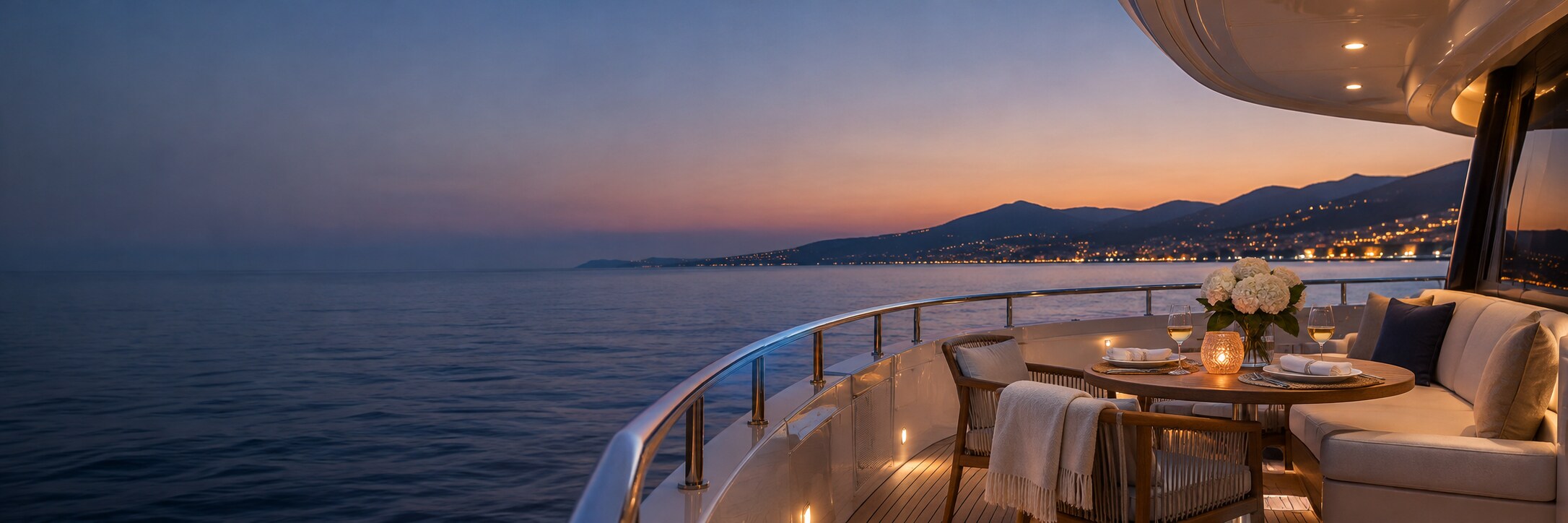
A family squid-fishing trip is an evening on the water, not a competition to catch the most squid. Start by checking children’s lifejackets, a place to rest, the risk of seasickness and how everyone will get home. Plan a few alternatives so children can enjoy the lights, sea air and experience even if the catch is small.
Parents often ask sensible questions before their first trip: will the children be frightened in the dark, is there somewhere to sit, and what happens if nobody catches anything? Unlike an indoor play venue, a boat brings changing weather, movement underfoot and a darker environment. Confirm the vessel’s licensed passenger limit, qualified operator, safety briefing and accessible life-saving equipment before booking. The government’s boating safety guidance is a useful starting point.
Is a night-fishing trip suitable for your child?
Age alone is not enough to decide. Consider bedtime, attention span, comfort with wearing a lifejacket, susceptibility to seasickness and the adults available to supervise. A child who is usually asleep by eight or nine may need a shorter experience or a different activity. Older children may be more interested in the fishing equipment, lights and small observation tasks.
| Family situation | A suitable approach | What adults should watch |
|---|---|---|
| Kindergarten or early primary-school children | A short introduction, with time to watch from a suitable seat. | Close adult supervision throughout; avoid moving near deck edges. |
| Older primary or junior secondary-school children | Try handling the rod and retrieving the line with adult assistance. | Hooks, pointed tackle, loose line and wet surfaces. |
| Children who dislike darkness or are easily seasick | Keep a comfortable rest area and quiet activities available. | Do not pressure them to fish for the whole trip. |
| Several families together | Allocate supervising adults and resting places before departure. | Do not let everyone become distracted by fishing, photographs or conversation at once. |
Compare departure points, space and fishing arrangements on Yacht Holimood. The original guide highlights the YT01 Beneteau Antares 27, a 2018 model for smaller family outings and the RS01 60-foot yacht for larger groups seeking more seating and activity space. Suitability still depends on the boat’s actual facilities, licensed capacity, children’s needs, date and sea conditions.
Ask about lifejackets, seating, toilets and emergency arrangements
Do more than check the boarding time and whether tackle is included. Ask how children will move around the boat and where they can sit quietly. The Marine Department’s life-saving equipment guidance advises wearing lifejackets on local pleasure vessels and helping children put them on properly. A lifejacket needs to fit the person wearing it; a generic promise that there are lifejackets somewhere onboard is not enough.
- Children’s sizes: confirm suitable lifejackets for each child’s size and weight, rather than adult sizes alone.
- A rest area: ask about seating, ventilation and lighting in the cabin or covered area.
- Toilets and handwashing: check access, lighting and the risk of slipping on the way there.
- Using the tackle: ask who demonstrates the equipment and how an adult should help a child handle it.
- Emergency contact details: keep the organiser’s number, meeting point and return arrangements to hand, and ask about the boat’s communications equipment.
Check the marine forecast, not just the city weather
A forecast showing no rain does not describe everything that matters at sea. Wind, waves, visibility and thunderstorms can all affect an evening trip. Check the Hong Kong Observatory’s marine forecast and relevant warnings, then discuss conditions with the operator.
Night-time sea breezes and movement can feel different from a daytime boat party. Pack a light jacket, non-slip footwear, water and a small amount of food, and remind children not to run on wet surfaces. If thunderstorms, strong winds or tropical cyclone warnings affect the outing, ask the operator about postponement or changes rather than assuming the trip should continue.
Give children something to enjoy beyond the catch
Watching light reflect on the sea, lowering a line and waiting for movement can be exciting in itself. The catch depends on the season, weather, moon and sea conditions, so there is no guarantee of success. Have a plan that still works without catching squid.
| Activity | Who may enjoy it | How to keep it manageable |
|---|---|---|
| Watching the boat lights and reflections | Younger children or those who do not want to handle tackle. | Observe from a suitable position, away from the boat’s edge. |
| Holding a rod with adult help | Older children who can follow instructions. | An adult remains responsible for controlling the rod and line. |
| Taking a family night photograph | The whole family. | Choose a stable place with secure footing; do not move to a wet edge for a better picture. |
| A snack, story or simple game in the cabin | Children who become tired or uncomfortable in the dark. | Make the evening a family outing on the water, not a test of fishing ability. |
For more planning ideas, see the beginner’s squid-fishing guide, the guide to squid-fishing seasons, moon phases and weather, and the family yacht day-trip guide.
Three assumptions to avoid
“The crew will look after the children.”
The crew handle the vessel, safety briefing and agreed activity assistance. Parents and accompanying adults remain responsible for close supervision. Decide who is looking after each child instead of assuming that everyone is keeping an eye on them.
“Children will be bored if they do not fish.”
The sea at night can be interesting without a rod. Look for distant boat lights, listen to the waves, notice changes in the breeze or record what the children have seen. Letting them observe can be more enjoyable than insisting on a catch.
“It is summer, so we will not need extra clothes.”
Children can feel cool when the boat is moving, particularly after getting wet. A light jacket, towel, spare clothes and sensible shoes may be more useful than extra toys. If a child has a history of seasickness, ask a healthcare professional or pharmacist for suitable advice in advance rather than making a rushed decision at the pier.
The day-before checklist
- Confirm the qualified operator, licensed passenger capacity and appropriate lifejackets, including children’s sizes.
- Review the marine forecast and thunderstorm, wind and tropical cyclone warnings.
- Pack a light jacket, non-slip shoes, drinking water, a small snack and each child’s usual essentials.
- Allocate supervising adults so everyone is not fishing or taking photographs at the same time.
- Prepare a quiet alternative, such as a story, observation task or simple game.
- Check the journey home, including pickup arrangements or transport near the pier at night.
The original guide notes that some fishing charters of four hours or more include use of rods. This varies by vessel: confirm included equipment, additional-rod charges and the exact package before booking. Share the number of adults and children, ages, departure point and budget when making an enquiry. Compare options and available dates on Yacht Holimood.
Frequently asked questions
Will the trip finish too late for a first-time child?
That depends on the child’s routine and the return journey. A shorter outing with somewhere to rest may be more suitable than expecting a tired child to keep fishing all evening.
Does every child have to take part in the fishing?
No. Watching a demonstration, looking at the lights, taking a family photograph or resting in the cabin are valid ways to enjoy the trip. Do not force a child to hold a rod.
Should we bring our own children’s lifejackets?
First confirm that the operator can provide correctly fitting lifejackets. If a child is particularly small or has specific sizing needs, ask whether an appropriate personal lifejacket is required. Help the child put it on correctly and follow the crew’s instructions.
Should we go if the weather is only average?
Do not decide solely on whether it is raining. Review marine conditions and official warnings with the operator, and confirm the route and postponement arrangements. Choose a different date if conditions are unsuitable for your family.
This post is also available in:
 繁體中文
 简体中文
