
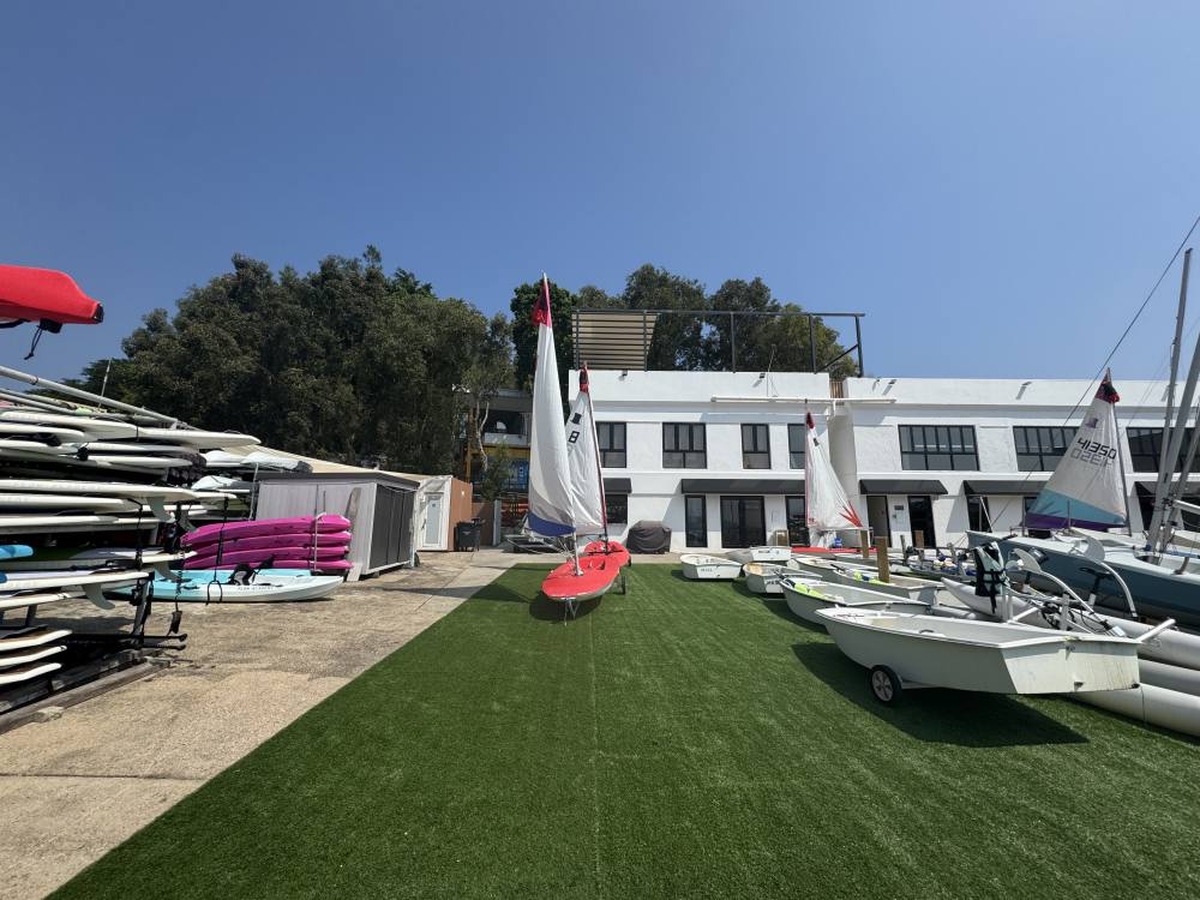
A family kayaking trip to Tai Mei Tuk is about more than choosing a route. Consider how long the children can comfortably take part, where you will park, whether you can wash and change afterwards, and whether the conditions suit your group. A short, well-paced outing can be more enjoyable than trying to reach every photo spot.
Is Tai Mei Tuk a good option for a family outing?
Tai Mei Tuk can be a convenient base for a half-day water activity, with rental options and nearby facilities. The package described in the original guide includes a kayak, paddle and lifejacket, plus toilets, private changing rooms and freshwater showers. Adult and children’s lifejacket sizes are listed; confirm the appropriate fit and participation conditions before booking.
The original listing gives operating hours of 09:00–17:00. Reference weekday prices start at HK$100 for a single kayak and HK$200 for a double; weekend and public-holiday prices start at HK$150 and HK$300 respectively. Ask which rental period each price covers and confirm the current total.
| Decision | What to look for | How to plan |
|---|---|---|
| Energy | A short session within the permitted area. | A first outing does not need to become a two- to four-hour route. |
| Wind and waves | Actual conditions in the activity area. | Check official warnings and speak to the operator on the day. |
| Parking | Parking arrangements listed by the provider. | Arrive early on busy days and allow time to unload. |
| Facilities | Toilets, changing space and freshwater showers. | Leave time to wash and change before lunch. |
A relaxed half-day timetable
Adults and children do not always judge distance or fatigue in the same way. An outing of around three hours on site, with a shorter period on the water, leaves room to adjust.
- 09:30: arrive, park, change, apply sun protection and check lifejacket fit.
- 10:00–10:20: attend the operator’s briefing and practise the permitted basics in an appropriate area. Confirm whether instruction is included in the booking.
- 10:20–11:30: paddle gently within the designated area, taking breaks as needed rather than setting a distant target.
- 11:30–12:00: return, drink water, rest, wash and change.
- After noon: have lunch nearby or continue with a pre-arranged barbecue.
Discuss the appropriate adult-to-child arrangement and boat configuration with the operator. A double kayak may allow a child to sit with a capable adult, but it does not remove age, swimming-ability or experience requirements. If a child becomes frightened or tired, shorten the session.
Weather conditions that should change the plan
Water that looks sheltered can still be affected by wind, poor visibility, heavy rain and thunderstorms. LCSD’s water-sports guidance describes these risks and advises participants to watch for signs of illness and return for help when unwell. Check warnings the day before and again before departure.
Do not push ahead with a family outing when thunderstorms, heavy rain, strong winds, tropical cyclone conditions or the operator’s assessment make it unsuitable. Hot weather also calls for a shorter plan, shade, drinking water and frequent breaks. The original guide suggests reassessing comfort and taking drinking or shore breaks roughly every 20–30 minutes; treat that as a planning reminder, not a guarantee that a session is safe.
Watch for unusual quietness, irritability, dizziness, nausea or excessive tiredness. A child who stops wanting to paddle may need rest, not encouragement to keep going. Return to shore and seek appropriate assistance if someone is unwell.
Parking, toilets and lunch
The original guide lists parking at HK$25 per hour or HK$80 for the day on weekdays, and HK$30 per hour or HK$150 for the day on holidays. These are reference charges from the listing; check the current rate and whether space can be reserved. Weekend arrival queues can use up children’s patience before the activity starts.
With towels, dry clothes, water and a waterproof bag to carry, driving may be convenient. Even so, leave a buffer to park and get ready. After paddling, prioritise washing, changing and drinking water before heading to lunch or a barbecue. Allow at least around half an hour to get organised rather than booking the meal immediately after the rental ends.
For other locations and preparation ideas, read the kayaking routes and rental guide and the beginner’s equipment and route-planning guide.
What to check when booking
Start with the Tai Mei Tuk kayak and SUP rental listing. Confirm group numbers, single or double kayaks, children’s lifejacket sizes, participation conditions, parking and any barbecue add-on.
Not everyone needs to follow the same programme. Some friends may prefer kayaking, others an appropriate SUP session, and others lunch on shore. Build the day around the group’s actual ability instead of asking everyone to do the same thing.
Frequently asked questions
How long should a child’s first kayaking session last?
The original guide suggests around 60–90 minutes of water time, with breaks. Suitability depends on the child, conditions and the operator’s assessment. There is no need to complete a whole route on a first outing.
What if a child cannot swim confidently?
Check the operator’s swimming, age and experience requirements before booking. A lifejacket or sharing a kayak with a parent does not replace those requirements. Ask about an instructed family session or an appropriate shore-based alternative if necessary.
Which weather conditions mean we should postpone?
Take thunderstorms, heavy rain, strong winds, tropical cyclone warnings and the operator’s local assessment seriously. Heat can also make an outing unsuitable for a particular child. Change the plan rather than treating a booking as a reason to continue.
Is parking available?
Parking is listed as an option in the original package information. Confirm availability and current charges, and arrive early on weekends or public holidays.
Can we go straight to lunch?
You can plan lunch afterwards, but leave time first to rest, wash, change and rehydrate. A meal that allows this buffer will be easier to manage.
References
This post is also available in:
 繁體中文
 简体中文
